
Pavement Assessment and Inspection in ATIs in Australia
Smarter Pavement Maintenance and Management
Jan 14, 2026
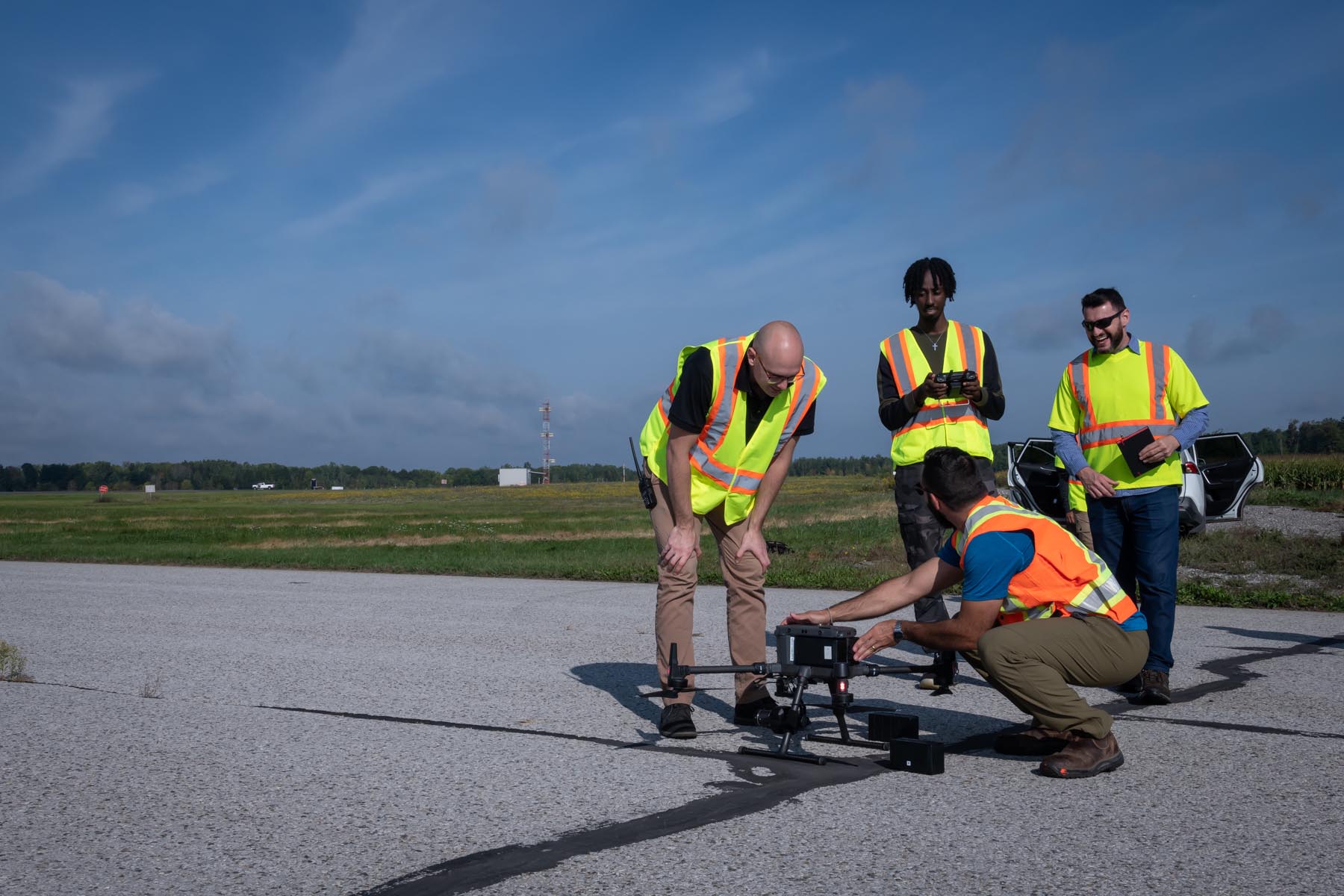
Pavement assessment and inspection are fundamental elements of aerodrome safety, operational reliability, and regulatory compliance in Australia. Aerodrome pavements such as runways, taxiways, aprons, and associated movement areas are critical infrastructure assets that must perform reliably under repeated aircraft loading and harsh environmental conditions. A well-structured pavement inspection regime ensures these assets remain safe, serviceable, and compliant throughout their operational life.
What is Aerodrome Technical Inspection (ATI)
An aerodrome technical inspection is a systematic and structured examination of aerodrome infrastructure to confirm that all facilities, surfaces, and systems are suitable for aircraft operations and meet applicable regulatory and safety requirements. In the Australian context, aerodrome technical inspections are an essential part of aerodrome operations and safety assurance. They cover a broad range of infrastructure including pavements, lighting systems, markings, signage, drainage, obstacle limitation surfaces, and operational equipment. Among these elements, pavements represent one of the highest safety-critical components because their condition directly affects aircraft performance during landing, take-off, taxiing, and parking.
What is Pavement Inspection
Pavement inspection is a key component within the broader aerodrome technical inspection framework. It focuses specifically on assessing the surface condition, structural integrity, and overall performance of airfield pavements. The objective is to identify defects or deterioration that could compromise aircraft safety or restrict operations. Pavement inspection also supports the verification of pavement strength declarations and ensures that published aerodrome information remains accurate and reliable.
What is The Purpose
The primary purpose of pavement inspection is to maintain safety by identifying defects that could damage aircraft or create hazardous operating conditions. Surface defects such as cracking, ravelling, loose material, depressions, or rubber build-up can reduce friction, generate foreign object debris, or affect aircraft braking and steering. Pavement inspection also supports operational continuity by allowing aerodrome operators to address issues proactively rather than reacting to failures that may lead to unplanned closures or restrictions. From a regulatory perspective, inspections provide evidence that the aerodrome is being operated in accordance with approved manuals, safety management systems, and applicable standards. In addition, pavement inspection plays an important role in asset management by providing reliable data that informs maintenance planning, rehabilitation timing, and long-term capital investment decisions.
Aerodrome pavement inspections are conducted at varying levels of detail depending on their purpose. Routine inspections are typically carried out frequently, often daily or prior to aircraft movements, and focus on identifying obvious surface defects, contamination, or foreign object debris. Periodic condition inspections are conducted at defined intervals and involve a more systematic assessment of pavement condition across the entire movement area. These inspections document the type, severity, and extent of pavement distress. Detailed engineering inspections are less frequent but more comprehensive and are usually undertaken by qualified pavement or aerodrome engineers. They may include structural capacity assessments, deflection testing, materials investigations, and formal condition rating systems.
During pavement inspections, inspectors assess a wide range of distress types. Common issues include longitudinal and transverse cracking, block cracking, ravelling, surface wear, rutting, depressions, and spalling at joints or pavement edges. Rubber contamination on runways is also closely monitored, as it can significantly reduce surface friction and affect aircraft braking performance. The identification and interpretation of these defects require an understanding of pavement behaviour, loading conditions, environmental influences, and construction history.
Data Collection
Data collection is a critical aspect of pavement assessment and inspection. High-quality, consistent data enables informed decision-making and effective asset management. Information collected during inspections typically includes the location, type, and severity of defects, the extent of deterioration, photographic records, and relevant pavement characteristics. Increasingly, aerodrome operators are adopting digital inspection tools and mobile data collection systems to improve accuracy, traceability, and efficiency. This data is often integrated into pavement management systems and safety management systems, allowing trends to be analysed over time and risks to be managed proactively.
Compliance
Compliance is a central consideration in aerodrome pavement inspection in Australia. Pavement condition directly influences declared runway availability, pavement strength reporting, and operational limitations. Inspection outcomes must align with the aerodrome’s approved Aerodrome Manual and safety management system processes. Failure to identify or appropriately manage pavement defects can lead to non-compliance, increased safety risk, and potential operational restrictions.
Challenges in Inspection
Pavement inspections also present several challenges. Inspections often need to be conducted within limited time windows to avoid disruption to aircraft operations, particularly at busy aerodromes, which can restrict access and limit the level of detail that can be achieved during inspections. Many regional and remote aerodromes operate pavements that are approaching or exceeding their original design life, increasing the likelihood of defects and adding complexity to maintenance and rehabilitation decisions. Achieving consistency in inspection outcomes remains a significant challenge, particularly when inspections are carried out by different personnel over time or when inspection methodologies are not standardised.
Data inconsistency, including variations in defect classification, severity ratings, and record-keeping practices, can reduce the reliability of inspection data and make it difficult to identify trends or accurately assess pavement performance over time. Resource constraints, such as limited access to specialist engineering expertise, inspection tools, or digital systems, can further impact inspection quality and the effectiveness of long-term pavement management, particularly at smaller aerodromes.
The Future of Pavement Inspection
The future of aerodrome pavement inspection is increasingly being shaped by digital technology, advanced software platforms, and data-driven decision-making. Traditional visual inspections are evolving into integrated digital workflows where inspection data is captured in real time using mobile devices, geospatial tools, and structured digital forms, improving accuracy, consistency, and traceability.
Centralised software platforms enable pavement condition data to be stored, analysed, and linked directly to asset management and safety management systems, providing a single source of truth for decision-making. As data quality improves, aerodrome operators are moving toward data-driven maintenance strategies that prioritise interventions based on risk, performance trends, and whole-of-life costs rather than reactive repairs. Artificial intelligence and machine learning are expected to play a growing role by analysing historical inspection data, identifying patterns of deterioration, predicting future pavement performance, and supporting proactive maintenance planning.
Over time, these technologies will enable more consistent inspections, earlier identification of emerging defects, and more informed investment decisions, ultimately improving safety, resilience, and sustainability of aerodrome pavement assets.
Airspace Lab
digital technology becomes a practical enabler for safer, more efficient, and more consistent pavement inspection outcomes. The Airspace Lab Aerodrome Technical Inspection (ATI) module enables inspection engineers to perform pavement, equipment, facility, and other aerodrome inspections digitally, replacing fragmented paper-based or disconnected processes. By using structured digital inspection forms aligned with aerodrome inspection requirements, the ATI module ensures that inspection data is collected consistently across inspectors, locations, and inspection cycles, significantly reducing data inconsistency and improving data quality.
For aerodrome operators, Airspace Lab provides a centralised single source of truth where all inspection data is stored, managed, and maintained over time. This centralised dataset supports meaningful analysis of pavement condition, defect trends, and recurring issues, enabling more informed, data-driven operational and maintenance decisions. Because the data is structured and standardised, it can be reliably used for reporting, compliance evidence, and as an input into other systems such as asset management platforms, safety management systems, or maintenance planning tools. This integration capability allows aerodrome operators to move away from siloed information and towards a connected, end-to-end view of aerodrome infrastructure performance.
For inspection engineers, the ATI module streamlines inspection workflows by improving data accuracy, reducing duplication, and providing easy access to historical inspection records. Engineers can review past pavement conditions, track deterioration over time, and support engineering assessments with consistent, auditable evidence. The module also supports the management and tracking of corrective actions arising from inspections, improving visibility, accountability, and closure of identified issues. Collectively, these capabilities enable Airspace Lab to support both day-to-day aerodrome operations and longer-term asset and safety management objectives, while laying the foundation for more advanced analytics and intelligent pavement management in the future.
Get in contact today to understand how Airspace Lab can help streamlining the pavement inspection process by requesting a demo.